Budapest must see and do: top 10 attractions and experiences
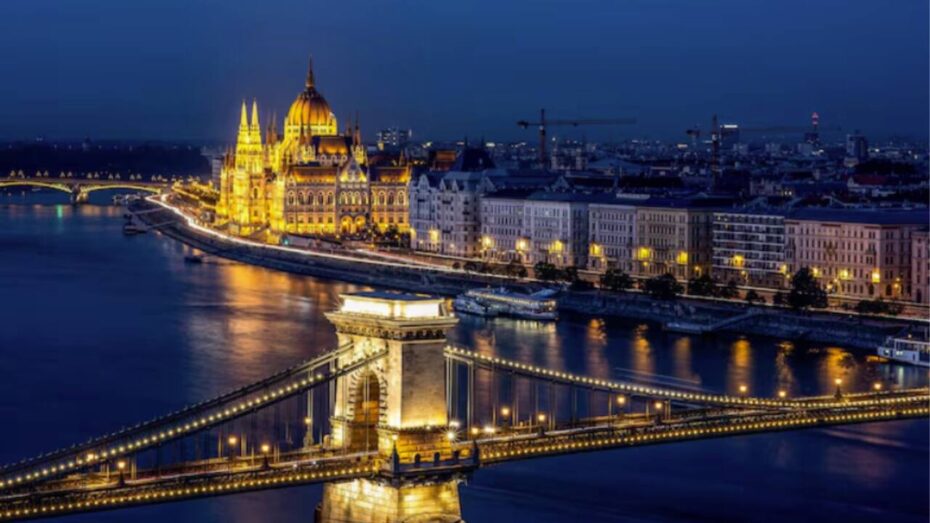
Budapest has so much to offer that it can feel overwhelming to choose just a few things — especially if you don’t have many days in the city. Between historic landmarks, amazing views, and unique local experiences, it’s easy to fill up your schedule fast.
To help you build the perfect itinerary, we’ve put together our list of the top 10 must-see places and must-do experiences in Budapest — with practical tips to make the most of your visit!
1.Hungarian Parliament Building

The Hungarian Parliament is the most famous landmark in Budapest, and it deserves to be seen twice: once by day and once by night.
During the day, just walking around the building is already impressive. The neo-Gothic façade is full of details, and the building sits right on the Danube, making it one of the most photographed spots in the city.
If you want to see more, guided tours take you inside to admire the grand halls and the Hungarian Crown Jewels. Tickets can be bought in advance on the official Parliament website, and in 2025 they cost around €15 for EU citizens and €30 for non-EU visitors.
At night, the Parliament is even more spectacular. The best way to see it is on a Danube river cruise, where the whole building reflects on the water.
A practical tip: the lights switch on at sunset and stay until 11 pm in summer and 10 pm in winter. It’s worth keeping this in mind when booking your tour, so you don’t miss the Parliament illuminated.
If you’re on a budget or simply don’t feel like taking a boat, there are still great alternatives. Walking along the Danube Promenade puts you right in front of the building, while the Buda side gives you a wider perspective. One of the best viewpoints is Batthyány tér, which lines up perfectly with the Parliament across the river.
2. Buda Castle

Buda Castle is one of the most important landmarks in the city, sitting high above the Danube on the Buda side. Even if you don’t step inside any building, just walking through the castle courtyards is already worth it. The area is free to enter, full of history, and has some of the best views of Pest.
Still, there are museums inside the castle that you can visit with tickets, and they’re a great way to dive deeper into Hungary’s culture and history.
Hungarian National Gallery
This museum houses Hungarian art from medieval times to the present day. The collection includes Gothic altarpieces, Renaissance and Baroque paintings, and works by modern Hungarian artists. For art lovers, it’s the best place to get a full overview of the country’s artistic heritage.
In 2025, a regular adult ticket costs 5,400 HUF (around €13.50). Reduced prices are available for students, seniors, and other eligible visitors.
@budapestfortourists You can’t truly get to know a country without getting to know its art. That’s why it’s worth saving a few hours of your visit to Buda Castle for the Hungarian National Gallery, a museum that showcases Hungarian art from the Middle Ages to today. 💰 Tickets can be bought on-site or online and cost 5,400 HUF (~ €13.50) #budapest #museum #budacastle #hungariannationalgallery #budapestguide
Budapest History Museum
Also known as the Castle Museum, this one focuses on the city’s past. Exhibits cover everything from Roman times to the medieval royal palace, with archaeological finds and reconstructions of how the castle looked centuries ago. It’s especially interesting if you want to understand Budapest’s history.
In 2025, a regular adult ticket costs 3,800 HUF (around €9.50). There are also discounted tickets for students, seniors, groups, and other categories.
Széchényi National Library
Besides the museums, Castle Hill is also home to the Széchényi National Library, Hungary’s national library. Founded in 1802, it holds millions of books, manuscripts, and historical documents, making it a key institution for researchers and history buffs.
While it’s less of a “tourist attraction” compared to the galleries and museums, it’s still a fascinating stop if you’re interested in Hungarian culture and literature. The building itself is impressive, and even a quick visit gives you a sense of the country’s academic heritage.
In 2025, tickets cost 1,200 HUF per person (around €3). Students and pensioners pay half price.
The funicular
The funicular is the most famous way to go up to Castle Hill, connecting the riverbank near Chain Bridge to the top of the hill. The ride is short but scenic — and also quite expensive for what it is, with tickets costing around 5,000 HUF (around €13) in 2025. Also, lines can get long, especially in summer.
If you don’t want to spend that much, there are alternatives. You can walk to Várkert Bazár and take the escalators there, or climb the stairs just to the right of the funicular. Another option is to take a bus up the hill, but we recommend going on foot: the climb is not too steep, and the views along the way are already beautiful.
@budapestfortourists Budapest on a budget? Skip the funicular to Buda Castle and save 5,000 HUF (~€13). Take the escalator and elevator at Várkert Bazár instead! It’s free and you’ll get the exact same view! #creatorsearchinsights #budacastle #budapest #traveltips
3. Fisherman's Bastion

Fisherman’s Bastion is one of the most popular spots in Budapest, and for good reason: the view over the Parliament and the Danube is breathtaking. The white towers and terraces also make it one of the most photographed places in the city.
Our tip is to visit at sunset, when you can watch the Parliament lights switch on across the river. It’s a magical moment, but keep in mind it also gets very crowded. If you’d rather take photos without the crowds, go early in the morning — the light is beautiful and you’ll have more space to yourself.
Right next to the Bastion is St. Matthias Church, another highlight worth visiting. Its colorful tiled roof and ornate interior are stunning. In 2025, regular tickets cost 2,900 HUF (around €7.50), with discounts for students, pensioners, and families.
4. St. Stephen’s Basilica

St. Stephen’s Basilica is the largest church in Budapest and a must-see both inside and out. The interior is richly decorated, and one of its most curious treasures is the Holy Right Hand. Yes, the mummified hand of King St. Stephen, Hungary’s first king, kept in a small chapel inside.
You can also climb to the panorama tower for one of the best views of the city. Don’t worry if you’re not into stairs — there’s an elevator that takes you most of the way up. But if you’re feeling energetic, you can climb the steps instead!
In 2025, tickets cost 2,200 HUF (around €5.50) for the basilica only, or 3,200 HUF (around €8.50) if you include access to the tower. Discounts apply for students and pensioners.
A funny detail: if you enter during mass time, the entry is free. But there’s a catch — if you walk in without a ticket, you may not be allowed to leave until the service is over. After all, if you came for mass, you’re expected to stay for mass, right?
5. Széchenyi Chain Bridge

The Chain Bridge is one of the symbols of Budapest and connects the two sides of the city: Buda and Pest. Opened in 1849, it was the first permanent bridge across the Danube in Hungary and played a key role in linking the two cities that later became Budapest.
Walking across the bridge is a must, and we recommend doing it on your way to Buda Castle. The view of the Parliament, Gellért Hill, and the Danube from the middle of the bridge is unforgettable.
At each end of the bridge you’ll see the famous stone lions, which have become one of Budapest’s most photographed details. A fun fact locals like to mention is that the sculptor supposedly forgot to carve the lions’ tongues — though if you look closely, you’ll see that’s not true.
At night, the bridge is beautifully illuminated, making it one of the best spots for photos of the riverfront.
6. Great Market Hall

The Great Market Hall (Nagy Vásárcsarnok) is the largest indoor market in Budapest and a must for anyone who wants to explore Hungarian flavors and food culture. On the ground floor you’ll find everything from fresh fruit and vegetables to meats, cheeses, sweets, and of course plenty of paprika. It’s the perfect place to see what locals buy and to pick up authentic ingredients.
The upper level is divided between food stalls and souvenir shops. While it might be tempting to eat there, we don’t really recommend it — prices are higher than in other parts of the city, and seating is very limited. Chances are you’ll end up eating while standing in a crowded corridor, which isn’t the most comfortable experience.
What is worth it upstairs are the souvenir stalls. From embroidered textiles to small trinkets, there’s plenty to choose from, and it’s hard to leave without buying something. Just make sure you don’t skip the most Hungarian of all souvenirs: paprika!
@budapestfortourists 📍 The Great Market Hall of Budapest is right on Fővám tér, at the end of Liberty Bridge. Pro tip: if you’re hungry, skip the upstairs stalls and check out the restaurants right across the street, on Váci utca. #creatorsearchinsights #budapest #travel #centralmarkethall #budapesthungary
7. Budapest Thermal Baths

No list of Budapest must see and do is complete without mentioning the thermal baths. The city sits on top of dozens of natural hot springs, which is why bathing culture has been part of life here since Roman times. The Ottomans expanded it during their rule, and today Budapest is famous worldwide as the “City of Spas.”
A visit to the baths means spending a few hours soaking in pools of naturally heated mineral water, often surrounded by historic architecture. It’s both relaxing and cultural — locals go to heal or unwind, while tourists get a taste of something uniquely Hungarian.
The city has dozens of baths, but a few names come up again and again — each with its own style. Here are the most famous Budapest thermal baths:
- Széchenyi: the biggest and most touristy, with 21 pools and a lively atmosphere;
- Rudas: a mix of old and new, with a 16th-century Turkish bath and a rooftop pool overlooking the Danube;
- Lukács: quieter, more affordable, and popular with locals;
- Gellért: famous for its Art Nouveau design, but currently closed for renovation until 2028.
If you want the full scoop on each one — prices, extras, and etiquette — check out our complete guide to the Budapest thermal baths.
8. Heroes' Square and City Park

Heroes' Square (Hősök tere) is one of the most iconic places in Budapest. It’s dominated by the Millennium Monument, built in 1896 to celebrate the 1000th anniversary of the arrival of the Magyar tribes in the Carpathian Basin.
Around the square, you’ll see statues of the seven Magyar chieftains who led the Hungarian tribes, as well as kings, governors, and national leaders. At the very top of the central column stands Archangel Gabriel, holding the crown of St. Stephen.
On each side of the square, there are two major museums. The Museum of Fine Arts houses international masterpieces, including works by Goya, Rembrandt, and El Greco. The Műcsarnok (Kunsthalle) is a contemporary art hall that hosts temporary exhibitions of modern Hungarian and international artists.
Right behind Heroes’ Square lies City Park (Városliget), one of the city’s green lungs. It’s not only a place to relax with lawns, gardens, and cafés, but also home to several attractions:
- House of Music Hungary (Magyar Zene Háza): a stunning modern building dedicated to music history and interactive exhibitions;
- Museum of Ethnography: recently reopened in a striking contemporary building;
- Széchenyi Thermal Bath: the most famous bath in Budapest, located right in the park;
- BalloonFly: a tethered hot-air balloon that takes you up for panoramic views of the city;
- Vajdahunyad Castle: a romantic castle that looks medieval but was built in 1896; today it houses the Museum of Hungarian Agriculture;
- City Park Lake: used for boating in summer and transformed into a huge ice rink in winter.
9. Jewish Quarter & ruin pubs

The Jewish Quarter is one of the most vibrant neighborhoods in Budapest today, but it also carries a heavy history. During World War II, this area was the site of the Jewish ghetto, and traces of that time remain in memorials and historical markers.
The highlight is the Great Synagogue on Dohány Street, the largest in Europe and the second largest in the world. In 2025, tickets cost 8,000 HUF (around €20) for adults, and include access to the synagogue, the Jewish Museum, and the Holocaust Memorial.
Beyond its history, the Jewish Quarter has transformed into one of the coolest parts of Budapest. By day, you’ll find cafés, vintage shops, and creative spaces. By night, it becomes the center of the city’s nightlife thanks to its famous ruin pubs.
Ruin pubs are unique bars built in abandoned buildings and courtyards, decorated with mismatched furniture, quirky art, and a bohemian atmosphere. They started in the early 2000s and quickly became a Budapest trademark.
Some of the best-known ruin pubs include:
- Szimpla Kert: the original and most iconic, with multiple rooms, live music, and a weekend farmer’s Market;
- Instant-Fogas Complex: a huge space combining several clubs in one, with different music styles;
- Mazel Tov: more upscale, with a Mediterranean-inspired restaurant vibe by day and bar atmosphere at night;
- Füge Udvar: a more alternative ruin bar with a local vibe — less touristy, more laid-back;
- Csendes: half café, half ruin pub, with quirky decor and a more relaxed atmosphere compared to the bigger names.
@budapestfortourists If you’re exploring Budapest nightlife, this is where you should begin. Szimpla Kert is the city’s most famous ruin bar, an old building turned into a creative (and a bit chaotic) unforgettable spot for drinks, music and art. Drinks are a bit overpriced, but the entrance is free and it’s worth visiting, even if just to experience the atmosphere! 📍 Kazinczy u. 14 #budapest #nightlife #traveltips #creatorsearchinsights #szimplakert
10. Danube river cruise

A Danube river cruise is one of the best ways to see Budapest’s landmarks, and the good news is that the boats run all year round, even in the middle of winter. There’s nothing like watching the city lights reflect on the water while passing under its famous bridges.
When planning your cruise, keep in mind the Parliament lighting schedule: it stays illuminated until 11 pm in summer and 10 pm in winter. Time your tour right so you don’t miss the building glowing at its most impressive!
There are many types of cruises to choose from. You can go for a simple sightseeing ride, join one with drinks included, enjoy a full dinner on board, or even take part in a lively boat party. Whatever your style (and budget), there’s an option that will let you enjoy the city from the water.
Practical tips
Budapest is a city that can easily keep you busy for a week, but most travelers stay for fewer days. To make the most of your trip, here are some tips that will help:
- How long to stay: we recommend at least 3 full days to cover the main attractions without rushing. If you have 4-5 days, you can add day trips or enjoy the termal baths more leisurely;
- Where to stay: for sightseeing, District V (Belváros) is the best base. You’ll be walking distance from most attractions, with plenty of food and transport options around;
- Best time to visit: Budapest is beautiful year-round. Spring and autumn bring mild weather, summer is lively but crowded, and winter adds a magical atmosphere with Christmas markets and thermal baths in the snow;
- Getting around: public transport is efficient and easy to use, with trams, buses, and metro lines connecting all major sights. A 24h or 72h travel card is often cheaper than buying single tickets;
- Money: Hungary uses the forint (HUF), not the euro. Most places accept cards, but it’s handy to have some cash, especially for small shops and public toilets.
Conclusion
Budapest is one of those cities that has a little bit of everything: history, architecture, good food, relaxing baths, and a nightlife that keeps going until sunrise. With so many must-see places and must-do experiences, it’s easy to fall in love with the city after just a few days.
And if you end up with an extra day, we recommend taking a short day trip to Szentendre, a charming riverside town just outside Budapest!